nominate Lesser Black-backed Gull (L. f. fuscus)
(last update:
Amir Ben Dov (Israel)
Hannu Koskinen (Finland)
Mars Muusse (the Netherlands)
fuscus 1cy July
fuscus 1cy Aug
fuscus 1cy Sept
fuscus 1cy Oct
fuscus 1cy Nov
fuscus 1cy Dec
fuscus 2cy Jan
fuscus 2cy Feb
fuscus 2cy March
fuscus 2cy April
fuscus 2cy May
fuscus 2cy June
fuscus 2cy July
fuscus 2cy Aug
fuscus 2cy Sept
fuscus 2cy Oct
fuscus 2cy Nov
fuscus 2cy Dec
fuscus 3cy Jan
fuscus 3cy Feb
fuscus 3cy March
fuscus 3cy April
fuscus 3cy May
fuscus 3cy June
fuscus 3cy July
fuscus 3cy August
fuscus 3cy Sept
fuscus 3cy October
fuscus 3cy Nov
fuscus 3cy Dec
fuscus 4cy Jan
fuscus 4cy Feb
fuscus 4cy March
fuscus 4cy April
fuscus 4cy May
fuscus 4cy June
fuscus 4cy July
fuscus 4cy Aug
fuscus 4cy Sept
fuscus 4cy Oct
fuscus 4cy Nov
fuscus 4cy Dec
fuscus ad Jan
fuscus ad Feb
fuscus ad March
fuscus ad April
fuscus ad May
fuscus ad June
fuscus ad July
fuscus ad Aug
fuscus unringed Aug
fuscus ad Sept
fuscus ad Oct
fuscus ad Nov
fuscus ad Dec
| adult fuscus: October
In the adult August section, you can find adult fuscus, which may moult the inner one or two primaries in N Europe on the breeding grounds. Quickly after August, the birds migrate south, and for this long journey the moult is arrested. By doing so, they with a full hand of flight-feathers, and do not spend energy on the moult process. Adult fuscus arrive at the stop-over sites and winter sites with either: This is the normal moult stage as described by Jonsson and is illsutrated by many example birds. (searching long enough will probably result in birds which also replaced P3, but that's a minority). As soon as birds arrive in S Europe and Africa, primary moult is started (again) and a complete moult takes place, normally in the ordinary sequence as it is found in many large white-headed gull taxa in N Europe. The table below illustrate the moult scores for Israelian birds, photographed by Amir Ben Dov. Table adult October Table showing old and new primaries in adult fuscus in October; data for Israel (2008-2011). P6 new = P6 longest new primary; it exceeds the previous primary in length (so P6 new / fully grown, only from the moment when it is longer than P5).
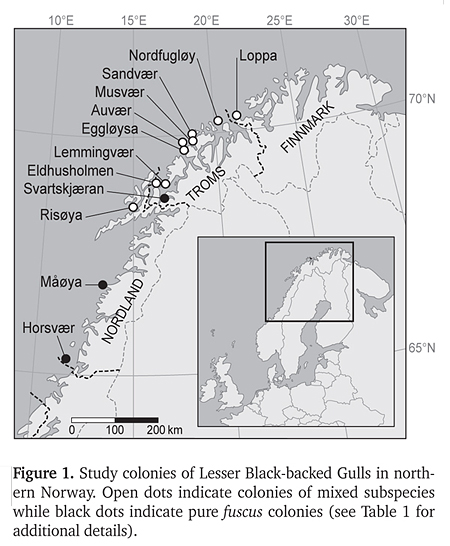
Migration patterns of adult and juvenile Lesser Black-backed Gulls Larus fuscus from northern Norway. Five Norwegian authors, Morten Helberg, Geir Systad, Ingve Birkeland, Nils Lorentzen & Jan Bustnes published an article with this title in Ardea 97, 2009. The complete PDF can be found HERE. In this section, we describe in short the findings regarding adults. Northern Norway: breeding ground for dark-mantled and pale-mantled LBBG Traditionally, two subspecies of LBBG could be found in Norway: dark-mantled nominate fuscus in the north and pale-mantled intermedius in the south. Last decades, nominate fuscus breeding figures have dropped dramatically, while those figures for pale-mantled birds have increased. Nowadays (but already from the late 1980's) pale-mantled birds, either with origins in graellsii-land or colonisers from south Norwegian intermedius-land can be found way up in northern Norway. Extensive ringing programmes in southern Norway show that juvenile intermedius follow the 'western flyway': from S Norway, through the North Sea bassin down along the Atlantic coast to the Iberian Peninsular and the west African coasts of Morocco and Mauritania. For north Norwegian populations, such migration research was unknown. The three northernmost counties (Nordland, Troms and Finnmark) were visited from year 2000 onwards, to supply darvic rings to adults (June) and juveniles with body mass >300 gr (July). Darvic rings were used in 12 colonies, with varying numbers of breeding pairs (two pairs to 400 pairs). Three of these colonies held 'pure fuscus' while the other nine colonies held both fuscus and intermedius/graellsii in about equal portions (see Table 1).
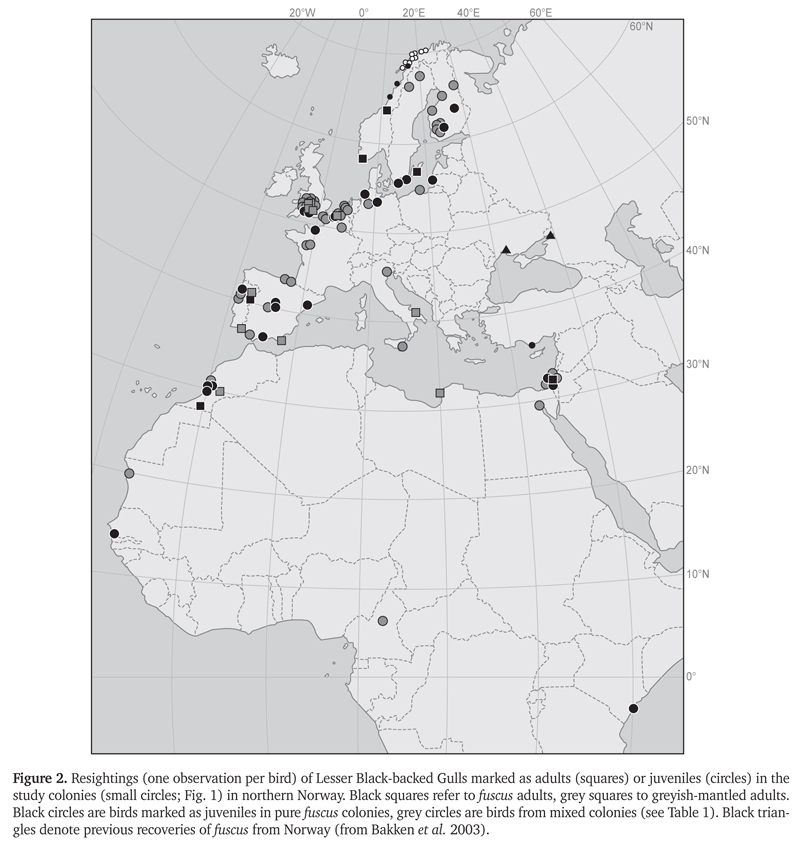
All resights up to May 2008 are included in this research. Adults were trapped during the incubation period in late June, using walk-in cages. In mixed colonies with pale and dark-mantled birds, sub-species were determined easily in the hand. 199 birds were caught: 172 fuscus, 22 pale-mantled birds and just 5 birds undetermined. Wintering Areas Four fuscus and seven pale-mantled birds were found in winter (01 Nov - 31 March). All birds, except two, were seen between Belgium and Morocco. The two exception were one pale-mantled bird in Libya and one fuscus in Israel. Winter site fidelity appears to be high. The probability of resightings from birds following a western route is much higher than from birds following an eastern route, as there are less observers along the eastern route.
Table:
|
 L. f. fuscus 5cy J030 October 01 2009, Westkapelle, the Netherlands. Picture: Pim Wolf. Bird from Norway. Complete moult not started. L. f. fuscus 5cy J030 October 01 2009, Westkapelle, the Netherlands. Picture: Pim Wolf. Bird from Norway. Complete moult not started. |
|||||||||||||||||||||||||||||||||||||||||||||||||||||||||||||||||||||||||||||||||||||||||||||||||||||||||||||||||||||||||||||||||||||||||
%20pic%201691%20Ring%20J20E%20Ashdod%2031.10.09.JPG) L. f. fuscus adult J20E October 31 2009, Ashdod, Israel. Picture: Amir Ben Dov. Bird from Norway. Complete moult started. L. f. fuscus adult J20E October 31 2009, Ashdod, Israel. Picture: Amir Ben Dov. Bird from Norway. Complete moult started. |
||||||||||||||||||||||||||||||||||||||||||||||||||||||||||||||||||||||||||||||||||||||||||||||||||||||||||||||||||||||||||||||||||||||||||
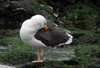 L. f. intermedius 5+cy J005 October 15 2008, Westkapelle, the Netherlands. Picture: Pim Wolf. Bird from contact zone in N Norway. Slow complete moult. L. f. intermedius 5+cy J005 October 15 2008, Westkapelle, the Netherlands. Picture: Pim Wolf. Bird from contact zone in N Norway. Slow complete moult. |
||||||||||||||||||||||||||||||||||||||||||||||||||||||||||||||||||||||||||||||||||||||||||||||||||||||||||||||||||||||||||||||||||||||||||
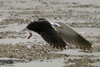 L. f. fuscus adult KR.HP October 09 2009, Gal Shon /Magaan Michael, Israel. Picture: Amir Ben Dov. Satellite tagged. Complete moult not started. Bird died November 2009. L. f. fuscus adult KR.HP October 09 2009, Gal Shon /Magaan Michael, Israel. Picture: Amir Ben Dov. Satellite tagged. Complete moult not started. Bird died November 2009. |
||||||||||||||||||||||||||||||||||||||||||||||||||||||||||||||||||||||||||||||||||||||||||||||||||||||||||||||||||||||||||||||||||||||||||
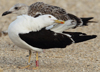 L. f. fuscus adult C65V October 01 2011, Ashdod, Israel. Picture: Amir Ben Dov. L. f. fuscus adult C65V October 01 2011, Ashdod, Israel. Picture: Amir Ben Dov. |
||||||||||||||||||||||||||||||||||||||||||||||||||||||||||||||||||||||||||||||||||||||||||||||||||||||||||||||||||||||||||||||||||||||||||
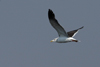 L. f. fuscus adult CV21 October 03-08 2009, Ashdod, Israel. Picture: Amir Ben Dov. Complete moult started. L. f. fuscus adult CV21 October 03-08 2009, Ashdod, Israel. Picture: Amir Ben Dov. Complete moult started. |
||||||||||||||||||||||||||||||||||||||||||||||||||||||||||||||||||||||||||||||||||||||||||||||||||||||||||||||||||||||||||||||||||||||||||
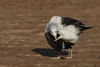 L. f. fuscus adult C27N October 30 2009, Ashdod, Israel. Picture: Amir Ben Dov. Bird seen Oct-Dec. L. f. fuscus adult C27N October 30 2009, Ashdod, Israel. Picture: Amir Ben Dov. Bird seen Oct-Dec. |
||||||||||||||||||||||||||||||||||||||||||||||||||||||||||||||||||||||||||||||||||||||||||||||||||||||||||||||||||||||||||||||||||||||||||
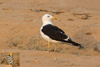 L. f. fuscus adult C9S0 October 02 2009, Ashdod, Israel. Picture: Amir Ben Dov. Complete moult probably started. L. f. fuscus adult C9S0 October 02 2009, Ashdod, Israel. Picture: Amir Ben Dov. Complete moult probably started. |
||||||||||||||||||||||||||||||||||||||||||||||||||||||||||||||||||||||||||||||||||||||||||||||||||||||||||||||||||||||||||||||||||||||||||
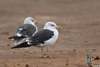 L. f. fuscus 11cy C3KE October 30 2009, Ashdod, Israel. Picture: Amir Ben Dov. Complete moult started. L. f. fuscus 11cy C3KE October 30 2009, Ashdod, Israel. Picture: Amir Ben Dov. Complete moult started. |
||||||||||||||||||||||||||||||||||||||||||||||||||||||||||||||||||||||||||||||||||||||||||||||||||||||||||||||||||||||||||||||||||||||||||
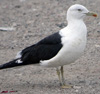 L. f. fuscus adult C7HC October 21 2012, Colmenar Viejo landfill, Madrid, Spain. Picture: Delfín González. L. f. fuscus adult C7HC October 21 2012, Colmenar Viejo landfill, Madrid, Spain. Picture: Delfín González. |
||||||||||||||||||||||||||||||||||||||||||||||||||||||||||||||||||||||||||||||||||||||||||||||||||||||||||||||||||||||||||||||||||||||||||
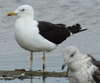 L. f. fuscus adult C9E3 October 01 2011, Ashdod, Israel. Picture: Amir Ben Dov. L. f. fuscus adult C9E3 October 01 2011, Ashdod, Israel. Picture: Amir Ben Dov. |
||||||||||||||||||||||||||||||||||||||||||||||||||||||||||||||||||||||||||||||||||||||||||||||||||||||||||||||||||||||||||||||||||||||||||
 L. f. fuscus adult CT-128.497 October 01 2011, Ashdod, Israel. Picture: Amir Ben Dov. L. f. fuscus adult CT-128.497 October 01 2011, Ashdod, Israel. Picture: Amir Ben Dov. |
||||||||||||||||||||||||||||||||||||||||||||||||||||||||||||||||||||||||||||||||||||||||||||||||||||||||||||||||||||||||||||||||||||||||||
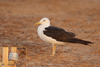 L. f. fuscus 19cy HT-145.654 October 10 2009, Ashdod, Israel. Picture: Amir Ben Dov. L. f. fuscus 19cy HT-145.654 October 10 2009, Ashdod, Israel. Picture: Amir Ben Dov. |
||||||||||||||||||||||||||||||||||||||||||||||||||||||||||||||||||||||||||||||||||||||||||||||||||||||||||||||||||||||||||||||||||||||||||
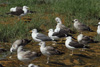 L. f. fuscus adult SVS 8075358 October 07 2011, Ashdod, Israel. Picture: Amir Ben Dov. L. f. fuscus adult SVS 8075358 October 07 2011, Ashdod, Israel. Picture: Amir Ben Dov. |
||||||||||||||||||||||||||||||||||||||||||||||||||||||||||||||||||||||||||||||||||||||||||||||||||||||||||||||||||||||||||||||||||||||||||
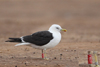 L. f. fuscus adult U7BJ October 2009 & March 2013, Ashdod, Israel. Picture: Amir Ben Dov.Ringed in Israel. L. f. fuscus adult U7BJ October 2009 & March 2013, Ashdod, Israel. Picture: Amir Ben Dov.Ringed in Israel. |
||||||||||||||||||||||||||||||||||||||||||||||||||||||||||||||||||||||||||||||||||||||||||||||||||||||||||||||||||||||||||||||||||||||||||
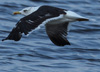 L. f. fuscus adult October 01 2011, Ashdod, Israel. Picture: Amir Ben Dov. Most advanced moult by early October. L. f. fuscus adult October 01 2011, Ashdod, Israel. Picture: Amir Ben Dov. Most advanced moult by early October. |
||||||||||||||||||||||||||||||||||||||||||||||||||||||||||||||||||||||||||||||||||||||||||||||||||||||||||||||||||||||||||||||||||||||||||
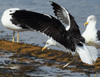 L. f. fuscus adult October 07 2011, Ashdod, Israel. Picture: Amir Ben Dov. L. f. fuscus adult October 07 2011, Ashdod, Israel. Picture: Amir Ben Dov. |
||||||||||||||||||||||||||||||||||||||||||||||||||||||||||||||||||||||||||||||||||||||||||||||||||||||||||||||||||||||||||||||||||||||||||
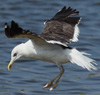 L. f. fuscus adult October 07 2011, Ashdod, Israel. Picture: Amir Ben Dov. L. f. fuscus adult October 07 2011, Ashdod, Israel. Picture: Amir Ben Dov. |
||||||||||||||||||||||||||||||||||||||||||||||||||||||||||||||||||||||||||||||||||||||||||||||||||||||||||||||||||||||||||||||||||||||||||
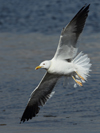 L. f. fuscus adult October 07 2011, Ashdod, Israel. Picture: Amir Ben Dov. L. f. fuscus adult October 07 2011, Ashdod, Israel. Picture: Amir Ben Dov. |
||||||||||||||||||||||||||||||||||||||||||||||||||||||||||||||||||||||||||||||||||||||||||||||||||||||||||||||||||||||||||||||||||||||||||
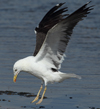 L. f. fuscus adult October 07 2011, Ashdod, Israel. Picture: Amir Ben Dov. L. f. fuscus adult October 07 2011, Ashdod, Israel. Picture: Amir Ben Dov. |
||||||||||||||||||||||||||||||||||||||||||||||||||||||||||||||||||||||||||||||||||||||||||||||||||||||||||||||||||||||||||||||||||||||||||
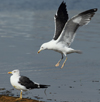 L. f. fuscus adult October 07 2011, Ashdod, Israel. Picture: Amir Ben Dov. L. f. fuscus adult October 07 2011, Ashdod, Israel. Picture: Amir Ben Dov. |
||||||||||||||||||||||||||||||||||||||||||||||||||||||||||||||||||||||||||||||||||||||||||||||||||||||||||||||||||||||||||||||||||||||||||
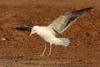 L. f. fuscus adult October 02 2009, Ashdod, Israel. Picture: Amir Ben Dov. L. f. fuscus adult October 02 2009, Ashdod, Israel. Picture: Amir Ben Dov. |
||||||||||||||||||||||||||||||||||||||||||||||||||||||||||||||||||||||||||||||||||||||||||||||||||||||||||||||||||||||||||||||||||||||||||
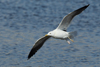 L. f. fuscus adult October 07 2011, Ashdod, Israel. Picture: Amir Ben Dov. L. f. fuscus adult October 07 2011, Ashdod, Israel. Picture: Amir Ben Dov. |
||||||||||||||||||||||||||||||||||||||||||||||||||||||||||||||||||||||||||||||||||||||||||||||||||||||||||||||||||||||||||||||||||||||||||
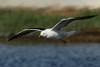 L. f. fuscus adult October 07 2011, Ashdod, Israel. Picture: Amir Ben Dov. L. f. fuscus adult October 07 2011, Ashdod, Israel. Picture: Amir Ben Dov. |
||||||||||||||||||||||||||||||||||||||||||||||||||||||||||||||||||||||||||||||||||||||||||||||||||||||||||||||||||||||||||||||||||||||||||
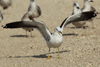 L. f. fuscus adult October 01 2011, Ashdod, Israel. Picture: Amir Ben Dov. L. f. fuscus adult October 01 2011, Ashdod, Israel. Picture: Amir Ben Dov. |
||||||||||||||||||||||||||||||||||||||||||||||||||||||||||||||||||||||||||||||||||||||||||||||||||||||||||||||||||||||||||||||||||||||||||
|
||||||||||||||||||||||||||||||||||||||||||||||||||||||||||||||||||||||||||||||||||||||||||||||||||||||||||||||||||||||||||||||||||||||||||
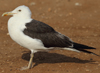 L. f. fuscus adult October 01 2011, Ashdod, Israel. Picture: Amir Ben Dov. L. f. fuscus adult October 01 2011, Ashdod, Israel. Picture: Amir Ben Dov. |
||||||||||||||||||||||||||||||||||||||||||||||||||||||||||||||||||||||||||||||||||||||||||||||||||||||||||||||||||||||||||||||||||||||||||
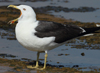 L. f. fuscus adult October 07 2011, Ashdod, Israel. Picture: Amir Ben Dov. L. f. fuscus adult October 07 2011, Ashdod, Israel. Picture: Amir Ben Dov. |
||||||||||||||||||||||||||||||||||||||||||||||||||||||||||||||||||||||||||||||||||||||||||||||||||||||||||||||||||||||||||||||||||||||||||
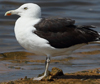 L. f. fuscus adult October 07 2011, Ashdod, Israel. Picture: Amir Ben Dov. L. f. fuscus adult October 07 2011, Ashdod, Israel. Picture: Amir Ben Dov. |
||||||||||||||||||||||||||||||||||||||||||||||||||||||||||||||||||||||||||||||||||||||||||||||||||||||||||||||||||||||||||||||||||||||||||
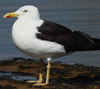 L. f. fuscus adult October 07 2011, Ashdod, Israel. Picture: Amir Ben Dov. L. f. fuscus adult October 07 2011, Ashdod, Israel. Picture: Amir Ben Dov. |
||||||||||||||||||||||||||||||||||||||||||||||||||||||||||||||||||||||||||||||||||||||||||||||||||||||||||||||||||||||||||||||||||||||||||
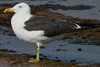 L. f. fuscus adult October 07 2011, Ashdod, Israel. Picture: Amir Ben Dov. L. f. fuscus adult October 07 2011, Ashdod, Israel. Picture: Amir Ben Dov. |
||||||||||||||||||||||||||||||||||||||||||||||||||||||||||||||||||||||||||||||||||||||||||||||||||||||||||||||||||||||||||||||||||||||||||
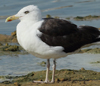 L. f. fuscus adult October 01 2011, Ashdod, Israel. Picture: Amir Ben Dov. L. f. fuscus adult October 01 2011, Ashdod, Israel. Picture: Amir Ben Dov. |
||||||||||||||||||||||||||||||||||||||||||||||||||||||||||||||||||||||||||||||||||||||||||||||||||||||||||||||||||||||||||||||||||||||||||
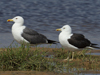 L. f. fuscus adult October 06 2012, Ashdod, Israel. Picture: Amir Ben Dov. L. f. fuscus adult October 06 2012, Ashdod, Israel. Picture: Amir Ben Dov. |
||||||||||||||||||||||||||||||||||||||||||||||||||||||||||||||||||||||||||||||||||||||||||||||||||||||||||||||||||||||||||||||||||||||||||
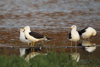 L. f. fuscus adult October 01 2011, Ashdod, Israel. Picture: Amir Ben Dov. L. f. fuscus adult October 01 2011, Ashdod, Israel. Picture: Amir Ben Dov. |
||||||||||||||||||||||||||||||||||||||||||||||||||||||||||||||||||||||||||||||||||||||||||||||||||||||||||||||||||||||||||||||||||||||||||